Downloaded from www.mymenopausecentre.com
Direct URL: https://www.mymenopausecentre.com/blog/we-beat-tiredness-and-insomnia-now-you-can-too/
Sleep and menopause: 5 women share their experiences
If sleep and menopause are making life harder, you’re not alone. Five women share how broken nights affected them, the changes they tried, and what they felt helped – from finding support to rethinking their bedtime routines.

About these stories: These are personal experiences. Research on magnesium for insomnia is limited, and feeling better after trying something doesn’t prove it caused the improvement. Before trying supplements or herbal remedies, check with a pharmacist or clinician, especially if you take medicines.
Finding support for sleep problems during menopause

Lisa Talbot, 54, a personal stylist from Maidenhead
‘I never needed much sleep – six or seven hours always worked for me. But at 47 I started struggling to get even that. I’d wake because I was hot, then stay up thinking about work or stressing about my children’s GCSEs. The next day I’d have no energy or focus, and by 4pm I’d hit a wall of tiredness. When my hairdresser asked how I was I replied ‘exhausted!’
She suggested magnesium, which did help. Then a colleague recommended lavender night cream – the relaxing scent really did make a difference. I also found a supplement that contained vitamins B6 and B12, sage, ginseng and other herbal ingredients. I wasn’t sure if it was just hype, so I showed it to another friend who has a background in biochemistry. We ran through the pros and cons and I decided to try it. This combination, as well as a breathing technique I found online, has really worked for me. My energy levels are back to normal, and I feel so much better. It’s great that we can chat and share information about menopause. We don’t have to suffer in silence – we can share what we’ve learned and find a solution.’
When toilet trips interrupt your sleep
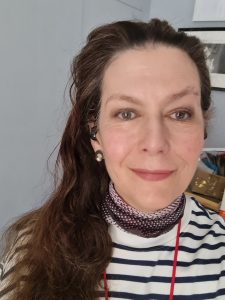 Josa Keyes, 65, a writer and creative writing tutor from London
‘Childbirth was not kind to my pelvic floor – I have three children and things were never the same after that. When menopause came at 50 I was constantly getting up at night to pee. HRT helped, but nine years later I was diagnosed with oestrogen-positive breast cancer and stopped HRT immediately.
My treatment was successful but when I came off Tamoxifen I instantly developed menopause symptoms, including vaginal atrophy, frequent urination and constant, maddening urinary tract infections – which all disturbed my sleep.
After investing in a pelvic exerciser which uses neuromuscular electric stimulation – tiny pulses of electricity, I found it really toned things up. That really helped.
Then I found two utterly amazing things which changed my life. Firstly, I discovered you could use Estriol vaginal cream* even if you’ve had oestrogen-positive breast cancer. I also started taking a lactobacillus supplement – ‘healthy bacteria’ to help repair my vaginal microbiome. I haven’t had a UTI since, feel so much more comfortable, and sleep much better, only gettingup to pee once at most. I even took up running, which I’d never have been able to do without looking after my vaginal health!’
A note on treatment: Vaginal oestrogen may be an option after breast cancer when non-hormonal treatments haven’t helped, but this needs an individual discussion about benefits and risks. If you take an aromatase inhibitor, your breast cancer specialist should be involved. Evidence that lactobacillus supplements prevent recurrent urinary tract infections is inconclusive.
Rethinking your bedtime routine

Tej Patel, 41, a personal trainer from Harrow
‘I’m a personal trainer, I eat and exercise well, but when perimenopause started I started suffering from disrupted sleep. I’m an anxious overthinker, always on the go, with clients all day then working on the business until 11pm at night. Something had to change.
As a trainer I talk about habit stacking – you start with one change, then when that’s established you add another. I noticed that I was at my sleepiest after the Epsom salts bath I took to ease muscle strain, so I moved bath-time closer to bedtime. Then I added a magnesium supplement. Hey presto – sleep was still short, but better quality.
I also added deep breathing exercises – a double inhale with long exhale was a game-changer! Again, I started with just five minutes, working up to more. Banning all devices for an hour before bedtime, also helped. During the day I did less cardio and shortened my strength sessions to lower physical stress. The killer combo of solutions started working.
Recently, I’ve also started using a chat group for accountability. They make sure I’m in bed before 11pm! If I can get a good night’s sleep eight out of 10 nights, I feel I’m in control.’
Managing night sweats and bedtime anxiety
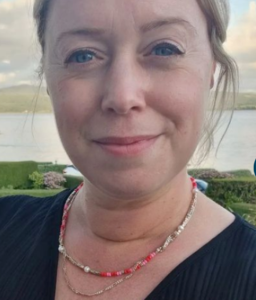
Louisa Hussey, 44, a menopause and EFT coach from Manchester
‘I was 36 and newly married when I found out I was going into early menopause. It was a stressful, horrible time and I was constantly waking at night, my nightclothes and sheets drenched in sweat.
Fatigue started to rule my life. I declined invitations for fear of being too tired to go, or making myself tired by going. Also, I was getting into bed already stressed about whether I’d sleep!
At the time I was so caught up with fertility treatment – I had my daughter in 2017 – I didn’t consider HRT. But after I went back to work I signed up for a confidence-boosting course. The woman running it introduced Emotional Freedom Technique (EFT) tapping – a technique where you relieve stress by tapping points of the body. I tried it and it felt like a spell had lifted! The effect was instantaneous.
I now have a routine of tapping, breathing exercises and mantras like ‘this can wait.’ HRT has stopped the night sweats, but tapping eases my anxiety and overwhelm – the emotional part of menopause that HRT doesn’t really touch for me. I’ve even trained as an EFT and menopause coach so I can share what I’ve learned.’
Finding an evening routine that feels helpful

Cat Merrick, 44, a yoga teacher from Shrewsbury
‘Over the last 18 months the quality of my sleep nose-dived – I was waking up to four times a night – sometimes because I was hot, other times a sound, like my husband’s snoring – would wake me, then I wouldn’t be able to drop off again.
I changed to a special pillow, bought earplugs and started HRT, which all helped a little, but I was still so exhausted I was struggling to get through the day, and tiredness was making my eczema much worse.
I started drinking bone broth every morning to help my eczema but when I read online that it has an amino acid called glycine which can help improve sleep, I decided to try one before bedtime. That night I slept through undisturbed. After three nights’ solid sleep I felt like a new person. I hadn’t realised how bad it had got!
Now I have a regular routine – a hot bath with a magnesium soak and a cup of bone broth. You never know what’s going to work until you try it!’
More support with sleep and menopause
If poor sleep is affecting your daily life, or changes to your routine haven’t helped, speak to your GP. They can investigate possible causes and discuss treatment. Ask whether cognitive behavioural therapy for insomnia (CBT-I), which addresses thoughts and habits that keep sleep problems going, could help.
Read our guide to menopause and sleep problems for more information.
If you’d like to hear from other women, find out about pause. with My Menopause Centre, our Facebook group.
Join the pause. community
We’ve created pause. as a space for women to come together and share stories about their menopause experience, ask questions, and to find support and inspiration. We'll also share the latest news and updates on the menopause from our experts.
Want to be the first to hear our latest news? Join our pause. community today.
Share your email to receive the latest news, updates and information on new products and treatments from My Menopause Centre and our pause. community. You can unsubscribe at any time.
We're committed to protecting and respecting your privacy - see our Privacy Policy and Terms and Conditions

Book a consultation
Whether you want to discuss your symptoms, create a treatment plan that's right for you, understand some test results or have a check-up, the highly experienced doctors and nurses in our menopause clinic are here to help you.
Book nowAs seen in


















Be the first to hear the latest from My Menopause Centre
You can unsubscribe at any time. Terms and Conditions and Privacy Policy.
Follow My Menopause Centre on social
We accept the following payment methods







My Menopause Centre has been registered by the Care Quality Commission under the Health and Social Care Act 2008. Certificate Number: 1-9548280249
My Menopause Centre Limited is a company registered in England and Wales with the number 12586554. Partner Pharmacy: Lift Pharmacy. Registered Pharmacy Number: 9013123. Superintendent Pharmacist: Antony Mazzei (GPhC: 2067774). Pharmacy Address: Suite 2C, East Bridgford Business Park, Kneeton Road, East Bridgford, NG13 8PJ, England
© My Menopause Centre 2026
Contact My Menopause Centre
- General enquiries: hello@mymenopausecentre.com
- Book appointments online: Log into your account and go to 'My appointments'
- Book appointments by phone: 0333 444 1067
- Website: https://www.mymenopausecentre.com
We’d love to hear from you
Please ensure you’re logged in to leave a comment. Not got an account – registration is quick and easy! All comments are moderated prior to being posted on the website and are subject to our Acceptable Use Policy.
Comments