Downloaded from www.mymenopausecentre.com
Direct URL: https://www.mymenopausecentre.com/blog/the-best-sex-toys-and-lubes-to-help-with-menopausal-sex/
The best sex toys and lubricant for menopause women
If menopause has made sex painful or less enjoyable, you’re not alone. Fortunately there's lots of lubricants and sex toys designed for menopause women. Pelvic Relief founder Eleanor Gardner shares her tips for choosing sex toys and lubricants that can help you back to that yes, yes, YES feeling you’ve been missing.

Good sex doesn’t come with an age limit, but menopause can change what feels comfortable. Vaginal dryness, soreness, reduced sensation, low libido, or anxiety about pain can all get in the way.
The right lubricant or sex toy may make intimacy more comfortable and enjoyable. There isn’t one perfect product for everyone, though. What works best depends on your symptoms, preferences, and whether you’re using condoms or other sex toys.
Why can sex become uncomfortable during menopause?
Fluctuating and falling oestrogen levels can affect the tissues of the vulva, vagina, bladder, and urethra. They may become drier, thinner, less elastic, and more easily irritated. In research conducted by the British Menopause Society, over one-third of the women interviewed reported vaginal dryness and over one in ten said they’d experienced pain during sex.
These changes are known as genitourinary syndrome of menopause, or GSM. Symptoms may include:
- Vaginal or vulval dryness, burning, or itching
- Discomfort or pain during sex
- Reduced natural lubrication
- Urinary discomfort or recurrent urinary tract infections
- Changes in sensation
- Tightening of the pelvic floor in anticipation of pain
Low libido can have several causes too, including poor sleep, stress, mood changes, medication, relationship difficulties, and previous painful sexual experiences. A sex toy won’t fix every cause of low desire, but it can help you explore what now feels pleasurable without placing pressure on penetration or orgasm.
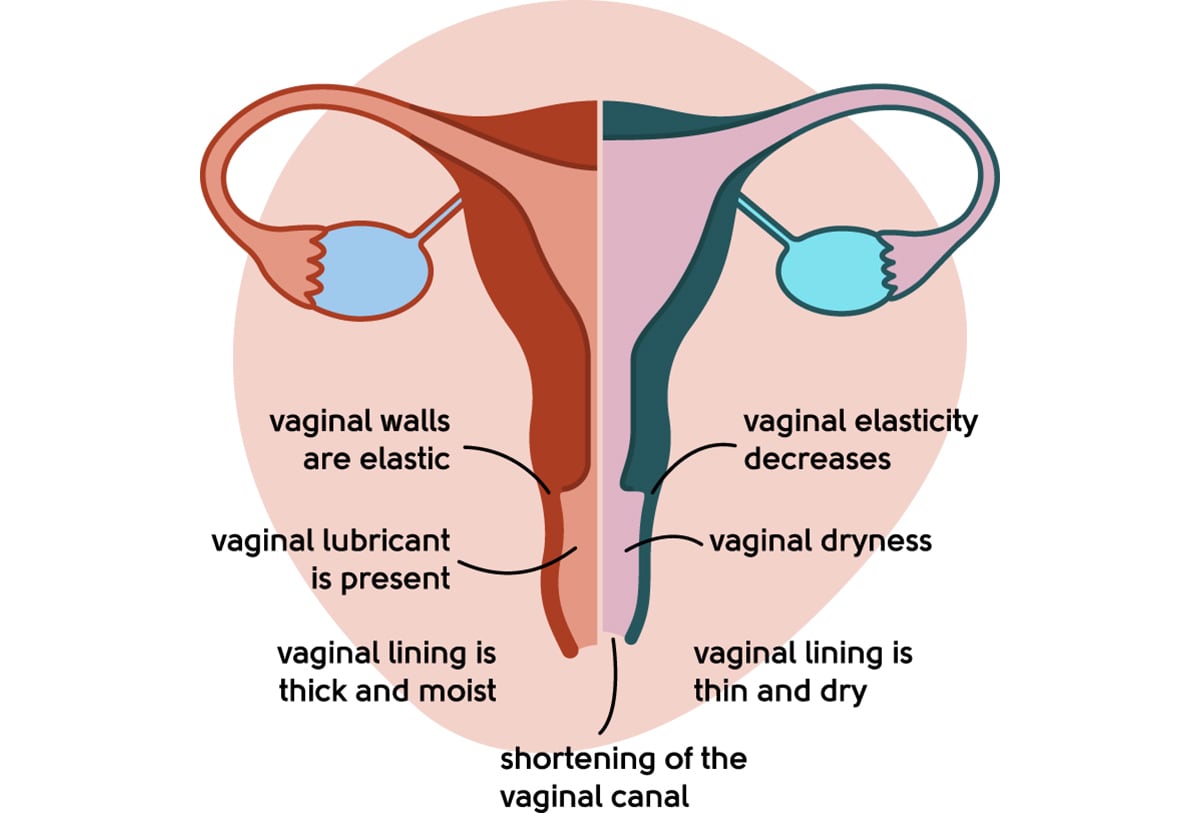
Illustration to show a healthy vagina vs urogenital atrophy
Whether you’re looking to involve your partner or have some solo fun, there’s a wide range of sex toys and lubricants available which can help with menopausal symptoms such as vaginal dryness, painful sex, and decreased sensitivity caused by a drop in oestrogen levels in the body.
As well as increasing arousal and helping decrease pain and discomfort, sex toys and lubrication can also reawaken your body to pleasure. This can work wonders for decreasing anxiety which is just one of the many psychological symptoms of the menopause.
Before I get into specific products, remember this is about reigniting your love for pleasure, enjoyment and touch; try not to put too much pressure on reaching orgasm, which you may be finding difficult at the moment due to decreased sensitivity.
Most importantly, remember that painful sex after menopause is not something you have to grin and bear. There are plenty of products, techniques and advice available to help you enjoy sex just as much – or even more! – than you did pre-menopause.
If you’re looking for practical pleasure tips and or want to learn how to bring yourself to orgasm in a different way OMGYes is a website focussed entirely on women’s sexual pleasure and is an excellent resource to help women explore their bodies with or without a partner.
What’s the best lubricant for menopausal women?
There’s no single best lube for menopausal women. A good product should reduce friction, feel comfortable, and work safely with any condoms or toys you’re using.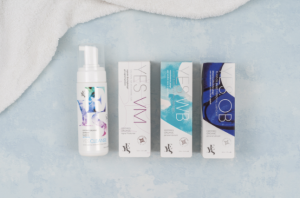
Not all lubricants are created equal when it comes to gynaecological health. Many contain ingredients that can exacerbate health concerns. It is really important to select a product that matches the pH and osmolality of the vagina and does not include skin irritants.
We always recommend the YES range (YES VM vaginal moisturiser, YES WB water-based lubricant and YES OB oil-based lubricant – this product can also be used as a wonderful emollient for the vulva) and the Desert Harvest range (Glide, an organic lubricant).
What’s the best lubricant for women over 60?
Age doesn’t change the basic advice. The best lubricant for women over 60 is one that suits the symptoms, doesn’t irritate the skin, and is compatible with any condoms or toys being used.
Postmenopausal dryness may be persistent because GSM doesn’t usually improve by itself. If lubricant isn’t providing enough relief, speak to a healthcare professional about treatments that address the underlying changes.
Lubricant or vaginal moisturiser – what’s the difference?
Lubricants and vaginal moisturisers serve different purposes:
- Lubricants reduce friction during sex, masturbation, or dilator use. They’re applied when needed.
- Vaginal moisturisers are used regularly to support day-to-day comfort, whether or not you’re having sex.
Some people benefit from using both. Avoid putting an ordinary face or body moisturiser inside the vagina, as it may cause irritation or infection.
Current NICE menopause guidance also recommends offering vaginal oestrogen for genitourinary symptoms. It can be used on its own or alongside lubricants and vaginal moisturisers. Only a very small amount is absorbed into the bloodstream, and serious adverse effects are very rare.
If you’ve had breast cancer, speak to your GP, menopause clinician, or oncology team about the most appropriate options for you.
Menopause sex toy recommendations
Ready to dabble with dilators?
Vaginal dilators are medical devices designed to gently stretch, prevent narrowing, and gradually improve the flexibility of the vaginal canal. They come in various graded sizes and are typically shaped like cylinders or tapered cones. At Pelvic Relief we sell the Soul Source silicone dilators, the material is kinder than rigid plastic alternatives having a degree of flexibility, they are medical grade, and can be warmed or cooled.
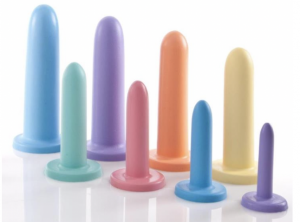
To use dilators:
- Create a calm environment and engage in some relaxation or breathing techniques to help relax the pelvic floor
- Begin with external stimulation to aid relaxation and promote blood flow to the area and natural lubrication
- Select a good quality lubricant to put over the dilator and entrance to the vagina
- Select the smallest dilator and gently insert it into the vagina. Move slowly to allow your body to accommodate the dilator. If discomfort arises, pause, take deep breaths to allow relaxation before progressing
- Once you feel comfortable with that size you can slowly progress to the larger sizes but this may take days, weeks or even months. Being patient and compassionate with your body is important
Say Oh Yes with Ohnut
If pain on deep penetration is something that you experience (for example as a result of the shortening of the vaginal canal due to atrophy or hysterectomy), Ohnut is an innovative wearable that may help.
Ohnut comprises 4 stacking rings that sit at the base of the penis or dilator they compress down to act like a soft buffer to prevent penetration reaching a depth that causes pain. This ingenious sex toy puts the power back in your hands and allows you to enjoy as much – or as little – penetration as you like.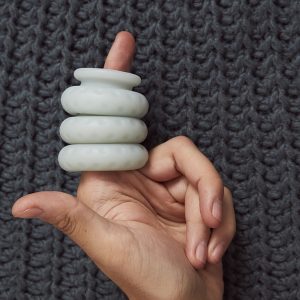
This reduces anxiety and helps avoid the muscle spasms that develop as pain is anticipated. Ohnut also offers an additional ring that has a vibrating function. This can increase pleasure for both partners and has the benefit of encouraging blood flow to the area which aids relaxation and natural lubrication.
Good vibrations
Understandably many women have never owned a vibrator and it may seem daunting to introduce one later in life. However, there is a well-known orgasm gap between men and women – research suggests that around 80% of women never orgasm through penetration alone, which is where vibrators come in. It is well established now that vibrations can really help stimulate blood flow to the vaginal area, encourage natural lubrication, increase pleasure and improve intimacy.
At Pelvic Relief, understanding what a significant step it is for many women, we have carefully selected a small range of high quality, soft and attractive vibrators that are a great entry point into exploring this area of your sexual wellbeing. They can be used alone or with a partner and aid relaxation before dilation. They can be safe to use with lubricants – although do check with your chosen products.
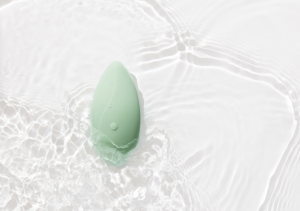
For example, Gwen (pictured) is a super soft, flexible and water-safe clitoral vibrator which is a great place to start. It offers ten vibrating patterns so you can choose your preferred speed and intensity, and its curved design means it’s perfect for trying on your own or with a partner.
A word on washes
As oestrogen drops during menopause this can upset the delicate pH balance of the vagina making infections such as bacterial vaginosis and cystitis more common. It is really important to use a gentle pH matched cleanser when washing. Never use internal washes or douches which can upset the vaginal microbiome further.
What can help painful sex after menopause?
Lubricants and toys can make sex more comfortable, but they don’t treat every cause of pain. Other options include:
- Vaginal oestrogen
- Regular vaginal moisturisers
- Pelvic health physiotherapy
- Psychosexual or relationship therapy
- Reviewing medicines that may affect sexual desire or arousal
- Treating sleep, mood, or other menopause symptoms
- Taking more time for arousal and choosing positions that give you control over depth and pace
If low sexual desire remains distressing after other causes and menopause symptoms have been addressed, speak to a menopause clinician. NICE advises that testosterone may be considered for menopause-related low sexual desire when HRT alone hasn’t helped.
You can also read more about menopause and loss of sex drive.
When should you seek medical advice?
Speak to your GP or a menopause clinician if:
- Dryness, soreness, or painful sex lasts for several weeks
- Over-the-counter products aren’t helping
- You have unusual discharge, persistent itching, sores, or a change in odour
- You experience bleeding after sex, between periods, or after menopause
- You have deep pelvic pain
- You keep developing urinary symptoms or infections
- Pain or loss of desire is affecting your wellbeing or relationship
Bleeding after menopause should always be assessed.
The best product is one that feels comfortable, doesn’t irritate your skin, and works with the condoms or toys you use. If sex continues to hurt, you don’t need to try harder or tolerate it. There are effective treatments available, and our menopause doctors and nurses can help you find the right approach.
I hope this brief overview of some of the great products available is a helpful starting point and will help you find solutions that work for you. If you’re concerned about vaginal dryness, itching or irritation, please do speak to your GP or a gynaecologist, or book an appointment with one of the doctors in My Menopause Centre.
Eleanor Gardner is the founder of Pelvic Relief. She has a Masters’s Degree in Physiotherapy and a background in medical devices. All the products on her website have been carefully curated to allow people to successfully self-manage a range of conditions such as painful sex and pelvic pain. With a focus on health and wellbeing, products are thoughtful in design and expertly made, free from nasty chemicals and low-grade plastics. All products are carefully packed and shipped discreetly from Herefordshire.
Join the pause. community
We’ve created pause. as a space for women to come together and share stories about their menopause experience, ask questions, and to find support and inspiration. We'll also share the latest news and updates on the menopause from our experts.
Want to be the first to hear our latest news? Join our pause. community today.
Share your email to receive the latest news, updates and information on new products and treatments from My Menopause Centre and our pause. community. You can unsubscribe at any time.
We're committed to protecting and respecting your privacy - see our Privacy Policy and Terms and Conditions

Book a consultation
Whether you want to discuss your symptoms, create a treatment plan that's right for you, understand some test results or have a check-up, the highly experienced doctors and nurses in our menopause clinic are here to help you.
Book nowAs seen in



















Be the first to hear the latest from My Menopause Centre
You can unsubscribe at any time. Terms and Conditions and Privacy Policy.
Follow My Menopause Centre on social
We accept the following payment methods







My Menopause Centre has been registered by the Care Quality Commission under the Health and Social Care Act 2008. Certificate Number: 1-9548280249
My Menopause Centre Limited is a company registered in England and Wales with the number 12586554. Partner Pharmacy: Lift Pharmacy. Registered Pharmacy Number: 9013123. Superintendent Pharmacist: Antony Mazzei (GPhC: 2067774). Pharmacy Address: Suite 2C, East Bridgford Business Park, Kneeton Road, East Bridgford, NG13 8PJ, England
© My Menopause Centre 2026
Contact My Menopause Centre
- General enquiries: hello@mymenopausecentre.com
- Book appointments online: Log into your account and go to 'My appointments'
- Book appointments by phone: 0333 444 1067
- Website: https://www.mymenopausecentre.com
We’d love to hear from you
Please ensure you’re logged in to leave a comment. Not got an account – registration is quick and easy! All comments are moderated prior to being posted on the website and are subject to our Acceptable Use Policy.
Comments