Downloaded from www.mymenopausecentre.com
Direct URL: https://www.mymenopausecentre.com/blog/how-to-cut-down-on-alcohol-and-ease-menopause-symptoms/
6 ways to cut down alcohol and ease menopause symptoms
If you’d like to cut down on alcohol during perimenopause or menopause, mindful drinking can help you notice when, why, and how much you drink. Author Rosamund Dean shares six practical tips for changing old habits, finding drinks you enjoy, and making drinking less feel more manageable.
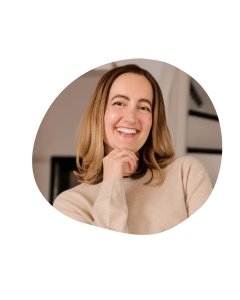
I wrote my book, ‘Mindful Drinking: How Cutting Down Can Change Your Life’, because I started to realise that willpower alone wasn’t enough to help me moderate my drinking. I needed a plan, with troubleshooting tips and strategies to make drinking less alcohol easier. This is what I’ve learned.
Advice from My Menopause Centre
Before you cut down: If reducing your drinking causes shaking, sweating, nausea, or other withdrawal symptoms, speak to your GP or an alcohol support service before making further changes. Stopping suddenly can be dangerous if you’re dependent on alcohol.
1. Work out why you want to cut down on alcohol
Consider why you drink alcohol. Is it social anxiety? A way to manage stress, anxiety or loneliness? Or is it habitual, and you can’t imagine your evening without a glass of wine? Then consider why you want to drink less alcohol. Would you like to sleep better, feel clearer in the mornings, spend less, or have more energy? Understanding why you drink, and why you want to cut down, is a vital first step.
2. Plan ahead for social occasions
It’s daunting to rock up to a social event without the comfort blanket of a drink, so come prepared. See the menu in advance so you know which alcohol-free drink you’re going to order, and plan what you’re going to say to anyone who questions your choice. Focus on the benefits of having your wits about you in a social situation and remember that sober socialising takes practice. Once you start doing it and realising that you can, your confidence will increase.
3. Track your drinking and get support
Keeping a record can help you spot patterns in your drinking. Alcohol Change UK’s free Try Dry app lets you log drinks, track units, set goals, and see how much money you’ve saved. A notebook works too, if you prefer. And if you have any friends who are also trying to stop drinking or moderate their drinking, then form a little sobriety support circle, where you keep each other updated on how you’re getting on.
4. Find non-alcoholic drinks you enjoy
Start with flavours you already enjoy. You might like sparkling water with citrus, an alcohol-free beer, or an aperitif served with soda and ice. Try a few options so you’ve got something you look forward to ordering or pouring at home.
Check the alcohol content on the label, particularly if you’re avoiding alcohol completely. There’s no need to choose a drink marketed for menopause – finding something you enjoy is a useful starting point.
5. Make it a ritual
Once you find an alcohol-free drink that you love, lean into the ritual of it. If you’re finding it hard to break the habit of an evening gin and tonic, you’ll be amazed how creating the same ritual with an alcohol-free version, such as Seedlip, scratches the same itch. Use nice glassware, pop out some ice, slice a lemon, and you’ll start to see that it’s less about what’s in the glass and more about what’s in your head.
6. Aim for progress over perfection
If you have an evening where you fall off the wagon and drink more than you intend to, then it’s easy to wake up feeling like you’ve ‘failed’ and slide back into old drinking habits. Instead, see it as an opportunity to identify the people, feelings or situations that lead to you drinking more, and learn from it for next time. It will get easier, I promise.
Can cutting down on alcohol help hot flushes?
If alcohol triggers your hot flushes, drinking less may help. The effect varies, though, and giving up alcohol won’t necessarily stop menopause symptoms. If hot flushes are affecting your sleep or everyday life, speak to your GP about treatment.
Read more about alcohol’s effects during perimenopause and menopause.
Rosamund Dean is the author of Mindful Drinking: How Cutting Down Can Change Your Life and the founder of Well Well Well on Substack
Picture credit: Jacquetta Clark
You may also like:
Drinking less transformed my wellbeing in the menopause
Liz Earle’s start-the-day secrets
What every woman should know about alcohol and the menopauase
Book a consultation
Whether you want to discuss your symptoms, create a treatment plan that's right for you, understand some test results or have a check-up, the highly experienced doctors and nurses in our menopause clinic are here to help you.
Book nowAs seen in


















Be the first to hear the latest from My Menopause Centre
You can unsubscribe at any time. Terms and Conditions and Privacy Policy.
Follow My Menopause Centre on social
We accept the following payment methods







My Menopause Centre has been registered by the Care Quality Commission under the Health and Social Care Act 2008. Certificate Number: 1-9548280249
My Menopause Centre Limited is a company registered in England and Wales with the number 12586554. Partner Pharmacy: Lift Pharmacy. Registered Pharmacy Number: 9013123. Superintendent Pharmacist: Antony Mazzei (GPhC: 2067774). Pharmacy Address: Suite 2C, East Bridgford Business Park, Kneeton Road, East Bridgford, NG13 8PJ, England
© My Menopause Centre 2026
Contact My Menopause Centre
- General enquiries: hello@mymenopausecentre.com
- Book appointments online: Log into your account and go to 'My appointments'
- Book appointments by phone: 0333 444 1067
- Website: https://www.mymenopausecentre.com
We’d love to hear from you
Please ensure you’re logged in to leave a comment. Not got an account – registration is quick and easy! All comments are moderated prior to being posted on the website and are subject to our Acceptable Use Policy.
Comments